
 Your location:Home → mechanical transmission → Brake | Clutch → electromagnetic brake → JDZ series AC electromagnetic power-off brake
 |
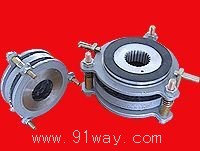
Product name: | JDZ series AC electromagnetic power-off brake | |||||
| specification: |   Zoom in on the image Zoom in on the image |
||||||
| Category: | mechanical transmission -- electromagnetic brake | ||||||
| |
Price: | factory price | |||||
| Brand: | Shanghai | ||||||
| Place of Origin: | China | ||||||
| |
Available Quantity: | batch | |||||
| delivery cycle: | Spot goods (or inquire by telephone) | ||||||
 |
|
||||||
 |
JDZ-08 | JDZ-15 | JDZ-30 | JDZ-40 | JDZ-80 | JDZ-160 | JDZ-200 |
| Rated braking torque Me(N.m) |
eight | fifteen | thirty | forty | eighty | one hundred and sixty | twenty |
|
Excitation Power |
forty | fifty | sixty | sixty | sixty-five | seventy | ninety |
| Connection time (ms) | sixty | sixty-three | eighty-seven | one hundred and ten | one hundred and thirty | one hundred and forty | one hundred and fifty |
| Disconnecting time (ms) | fifty | fifty-five | seventy-five | ninety-five | one hundred and twenty | one hundred and thirty | one hundred and forty |
| Excitation voltage AC (V) | 380V 50HZ | ||||||
| Maximum allowable working speed n (r/min) | three thousand | ||||||
 |
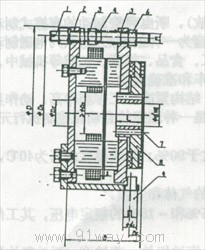
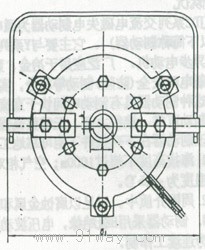
D | D1 | D2 | D3 | D4 | D5 | d | b | h | L | L1 | B | B1 | B2 | D6 | M | B3 | δ |
| JDZ-08 | one hundred and fifty-two | one hundred and thirty-six | twenty-five | twenty-five | sixty-five | ninety-two | nineteen point eight | six | twenty-one point six | twenty | three point five | sixty point four | one hundred and eighty-four | ten | eleven | 3-M8 | seventy-five | zero point four |
| JDZ-15 | one hundred and sixty-two | one hundred and forty-six | twenty-eight | thirty | sixty-five | ninety-seven | twenty-four point eight | eight | twenty-eight point one | twenty-five | three point five | seventy-four point five | two hundred | ten point five | eleven | 3-M8 | ninety | zero point four |
| JDZ-30 | one hundred and eighty-eight | one hundred and sixty-eight | sixty | fifty-five | eighty | one hundred and sixteen | twenty-nine point five | eight | thirty-two point eight | twenty | three | seventy-six point five | two hundred and thirty-one | eleven | twelve | 3-M12 | ninety-seven | zero point five |
| JDZ-40 | two hundred and fourteen | one hundred and eighty-five | forty-eight | sixty | ninety | one hundred and thirty | twenty-nine point five | eight | thirty-two point eight | thirty | three | eighty-five point five | two hundred and forty | eleven | twelve | 3-M12 | one hundred and four | zero point five |
| JDZ-80 | two hundred and forty | two hundred and ten | forty-five | forty-six | one hundred and four | one hundred and fifty | thirty-nine point five | twelve | forty-two point eight | thirty | three | ninety-one point five | two hundred and eighty-three | eleven | thirteen | 3-M14 | one hundred and twelve | zero point five |
| JDZ-160 | two hundred and eighty-five | two hundred and fifty-five | seventy | sixty-eight | one hundred and twenty | one hundred and seventy-nine | forty-four point five | twelve | forty-seven point eight | thirty-five | four | one hundred and four point five | three hundred and thirty-eight | twelve point five | fifteen | 3-M14 | one hundred and twenty-seven | zero point six |
| JDZ-200 | three hundred and thirty | three hundred | one hundred and eighteen | one hundred | one hundred and fifty | two hundred and twenty | forty-nine | fourteen | fifty-two point eight | forty | three point five | one hundred and ten | three hundred and ninety-four | sixteen point five | seventeen | 3-M14 | one hundred and thirty-two | zero point eight |
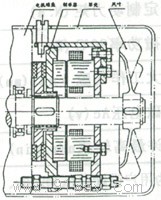
Instructions for use: This brake is a dry type and must operate in an oil-free state to avoid affecting torque; When installing the brake, first adjust it to the specified working air gap δ value and make the air gap uniform, then tighten nut 6 tightly on the motor end cover; The brake should be installed horizontally and not vertically; The δ value of the brake should not exceed the maximum working air gap, otherwise it should be readjusted to the specified value.
 Related Products:
 200DZ01 type electromagnetic power-off brake .. J130DZ03 type electromagnetic power-off brake.. J128DZ01,J128DZ02 type electromagnetic power-.. 118DZ01,118DZ02 type electromagnetic power-of.. J100DZ01,J100DZ02 type electromagnetic power-.. J95DZ01 type electromagnetic power-off brake .. 80DZ01,90DZ01 type electromagnetic power-off .. 75DZ series electromagnetic power-off brake 7.. 70DZ01 type electromagnetic power-off brake 63DZ01 type electromagnetic power-off brake Related articles:
 speed reducer
  conveyor elevator gearbox divider backstop Brake | Clutch Brake rectifier electromagnetic brake
  Magnetic particle brake eddy current brake Hydraulic thruster Hydraulic brake system electromagnetic clutch Magnetic Particle Clutch Combination clutch Centrifugal clutch overrunning clutch Cam clutch one-way clutch hydraulic clutch Pneumatic brake pneumatic clutch hydraulic coupling buffer shock absorber drive belt drive wheel drive shaft coupling expansion sleeve Chain wheel chain motor bearing motorized roller industrial remote control
 Home|Quality Commitment|Ordering|Payment method|product delivery|support|Disclaimer|Contact Us
Copyright®2011 www.91way.com Copyright.
Phone:+86-21-66770508 +86-13916500500 Fax:+86-21-66108310
Email:91way@163.com Wechat:40606422
沪ICP备2021005791号  沪公网安备31010702003255号

